
SEC Crypto Token Rules: What Regulation Crypto Assets Means
Aug 25, 2026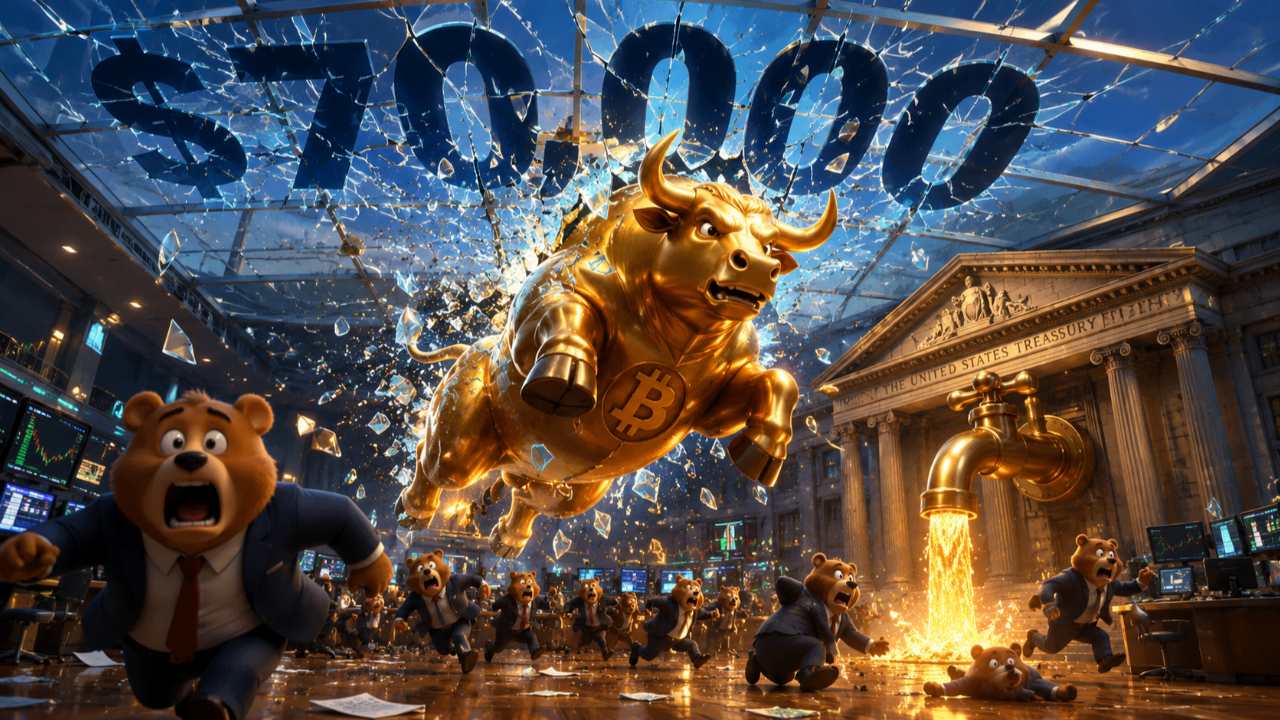
Last week I gave up on Bitcoin.
I shut the laptop, told my wife the summer was a write-off, and went for a nap. I'm napping a lot at the moment while recovering from the heart surgery.
By the time I woke up a mere 45 minutes later, my phone had fourteen notifications and Bitcoin was six grand higher.
That is crypto for you. It waits until you have a nap.
The week had started grim. Bitcoin was stuck between $62,000 and $64,000, bouncing off the ceiling like a fly in a conservatory. Every rally died. Every breakout failed. Then Wednesday arrived and the whole mood flipped — and the thing that flipped it had nothing to do with crypto at all.
💰 Washington turned the taps, not crypto
Bitcoin did not rally because of anything Bitcoin did.
On Wednesday, Treasury Secretary Scott Bessent said he would double the government’s long-term bond buyback programme. Translation: the government is buying back its own IOUs.
Think of a shop owner buying up his own discount vouchers. Fewer left floating about, so the ones that remain get dearer. Bond prices rise, yields fall, the dollar softens — and every risky asset on earth takes that as permission to run.
Bitcoin cleared $70,000 within hours. That triggered $2.75 billion of short positions being force-closed in a single day, the largest on record. Traders betting on a fall got steamrollered.
Ever wondered why crypto moves hardest when nothing crypto-related has happened? Now you know. Watch the Treasury, not the timeline.
📈 Bitcoin got the headlines, Ethereum got the money
The loudest coin last week was the second one.
Ethereum rose 20% in a single session and pushed past $2,500, beating Bitcoin by more than two to one at the peak. The scoreboard for the week:
- Bitcoin finished above $78,000
- The whole crypto market added $280 billion
- Spot Bitcoin ETFs took in $2.2 billion — the biggest week of 2026
- Year-to-date ETF flows turned positive for the first time since April
- The ETH/BTC ratio climbed above 0.032
That last one is the interesting bit. The ratio works like a tide gauge. When it rises, money is sloshing out of Bitcoin and into everything smaller. Analysts have flagged 0.033 as the mark where the tide properly turns.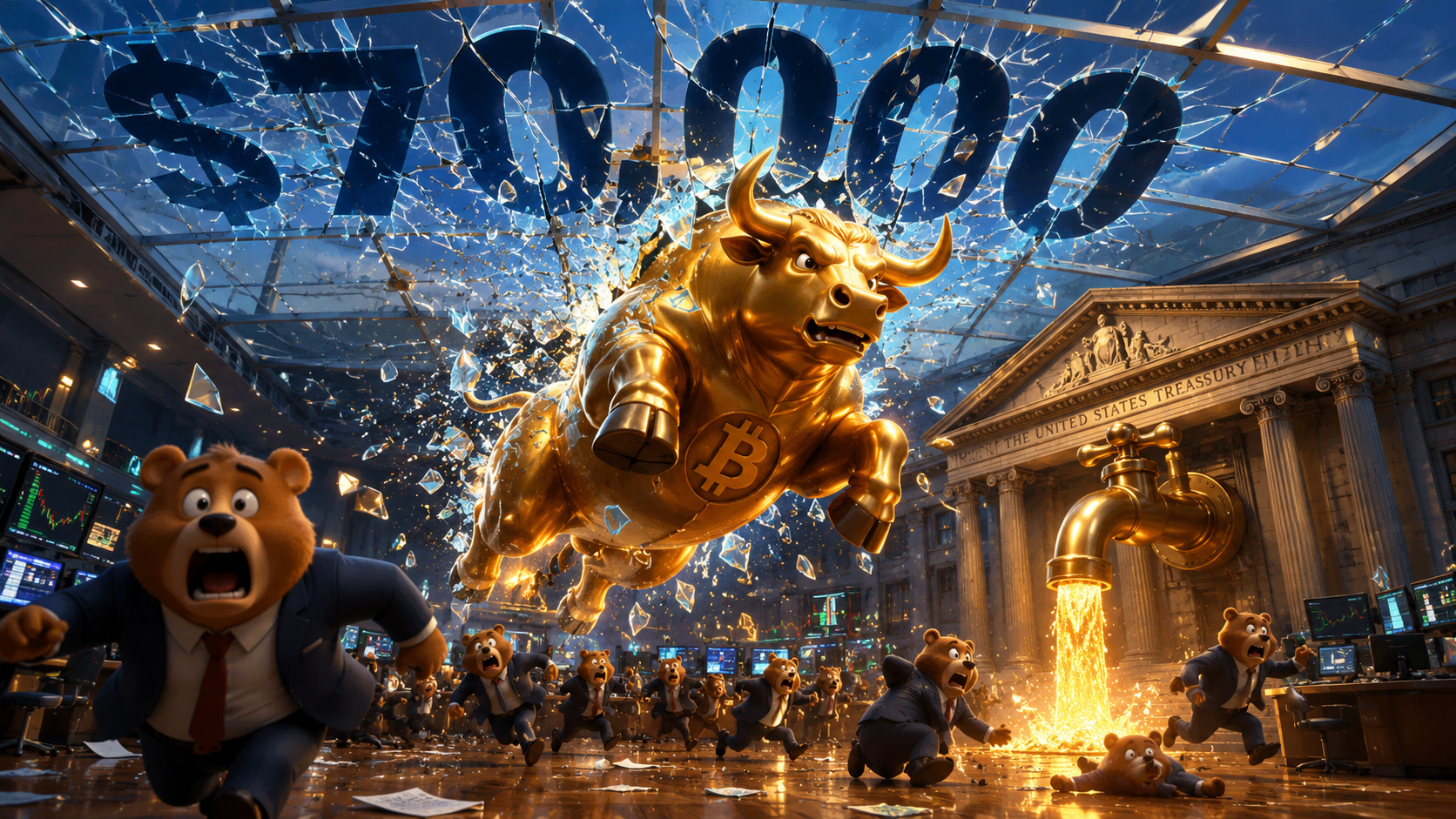
So is this altseason? Not yet. But it is the best setup Ethereum has had in months, and the gauge is close.
WHY IT MATTERS TO YOU
Short squeezes lie. ETF inflows do not. Real money bought this rally, which is why it has held rather than snapping back within a day.
🎤 It all rests on one man’s speech
One week ahead, one thing that matters: Jackson Hole.
Kevin Warsh speaks as Fed chair for the first time. Markets have spent the week betting he will sound soft on rates. The odds of a September hike have slid to roughly 39%.
The market has bought the birthday present, wrapped it, and written the thank-you card. Warsh has not confirmed he is coming to the party. He has said plainly that market pricing does not bind him.
What happens if he plays it straight? Bitcoin gets a run at $80,000, with $85,000 in view. If he hints a hike is still live, expect a slide back to $70,000–$72,000 while everyone recalculates. Below $60,000 needs the economy to get properly ugly.
The SEC wrote the rulebook it spent a decade fighting
The regulator that sued ICOs into extinction has drafted a legal way to run them.
It is 402 pages, it is called Regulation Crypto Assets, and it has two doors. Through the first, a project sells up to $5 million of tokens over four years to anyone at all — no accreditation, no financial statements, no sign-off from the Commission. A website page and two filings. That is the price of entry.
The second door is stricter: $20 million or $75 million over a year, a US-based team, a form called 1-CRYPTO, and audited accounts at the top tier.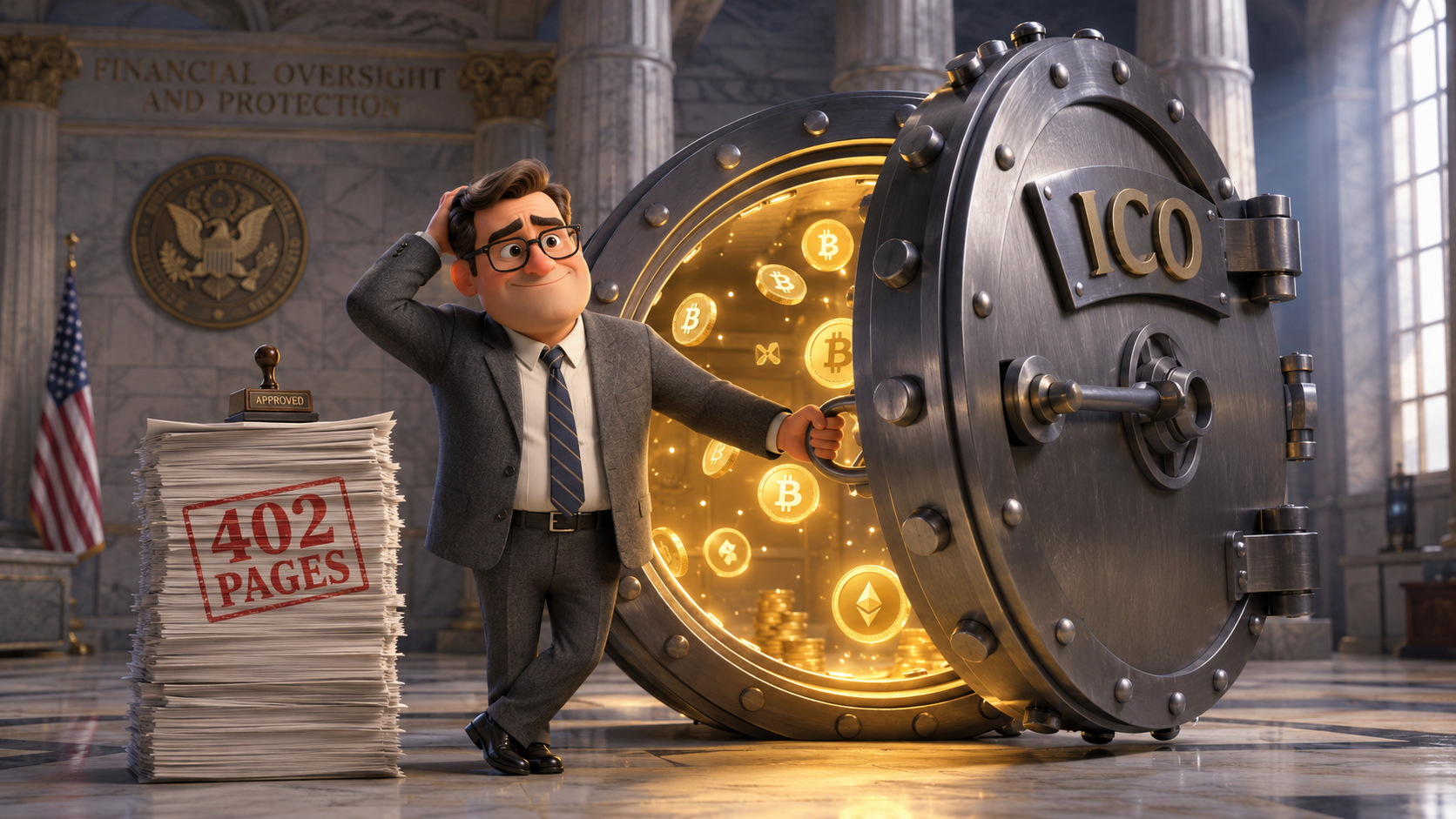
Then there is Rule 400, and this is the part that made lawyers sit up. A token stops counting as a security once the issuer certifies it has finished — or permanently abandoned — the work it promised. The law firm Morrison Foerster notes this skips the decentralisation test altogether.
“A completely centralised project can launch a token, file one piece of paper, and stop being a security.”
Before you panic: state attorneys general keep every fraud power they have. The proposal does not touch exchanges or brokers. And none of it is law. It faces the Federal Register, a 60-day comment window, a White House budget review, a final vote, and another publication. A year, minimum.
So why publish it now? Pressure. The Clarity Act has been stalled since May, and SEC chairman Paul Atkins keeps saying rules written by one commission get torn up by the next. Nothing changes for issuers today — but the shape of the next decade is being drawn in this draft.
Where that leaves us
Bitcoin sits above its 200-day average, above the ceiling it failed to break four times, and it got there on real buying rather than panic. Ethereum is the strongest it has looked since spring. And the people who write the rules have started writing rules instead of lawsuits.
It reminds me of a British Rail timetable announcement. Nothing runs differently this morning. But everyone in the station has quietly started planning a different journey.
My guess? By this time next year, at least one serious project raises money in America without hiring a single litigator. That would have sounded mad in January.
So — are you buying this move, or waiting for Warsh to open his mouth first? Hit reply and tell me. I read every one.
And don't nap. Look what happened when I took one.
Get the latest news, tips, and updates!
Enter your info below to get helpful updates about how to make money from crypto.
We hate SPAM. We will never sell your information, for any reason.
