
When Crypto Eats Itself Alive
Jan 07, 2026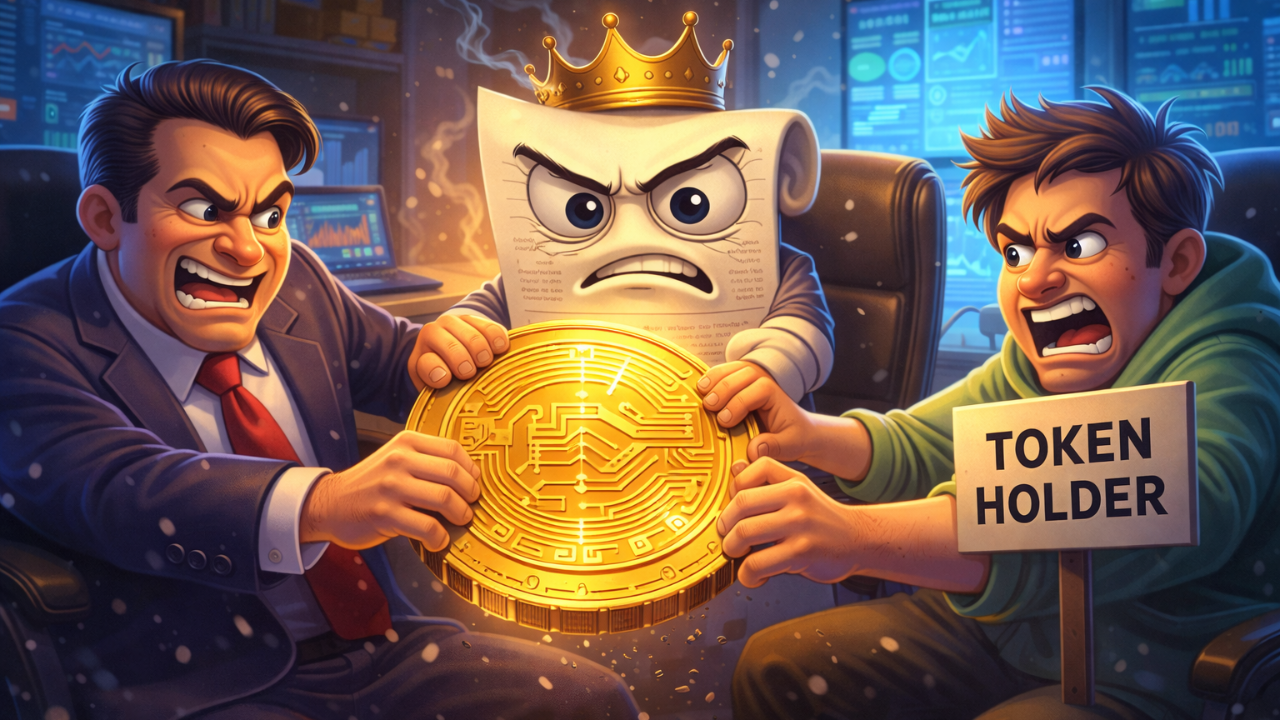
You know that moment when you're sorting recycling and realize the bin's more complicated than your tax return? That's crypto governance right now—except instead of cardboard versus plastic, it's "who actually owns this thing?"
Welcome back from the holidays. Hope you're well-rested, because while you were digesting turkey and dodging awkward family questions about your "internet money," crypto managed to stumble into an existential crisis about who gets paid when things go well.
Also, the economy might be tanking, America invaded Venezuela, and the Fed's quietly printing money again. So, you know. Normal Wednesday.
Let's unpack this mess.
The Fed's Doing That Thing Again 💰
Quantitative Easing is back, but nobody wants to admit it.
Right, quick translation for the non-nerds: Quantitative Tightening (QT) means "the Fed is hoovering money out of markets." Quantitative Easing (QE) means "the Fed is gently pumping money back in whilst pretending it's something else entirely."
We're now in the QE phase. It's not a flood—more like leaving a tap dripping overnight. But markets are thirsty enough that even a trickle helps.
Meanwhile, employment and inflation keep weakening, which sounds terrible until you remember what happens when the economy looks dodgy: the Fed cuts rates, cash flows into markets, and assets (including crypto) tend to rally.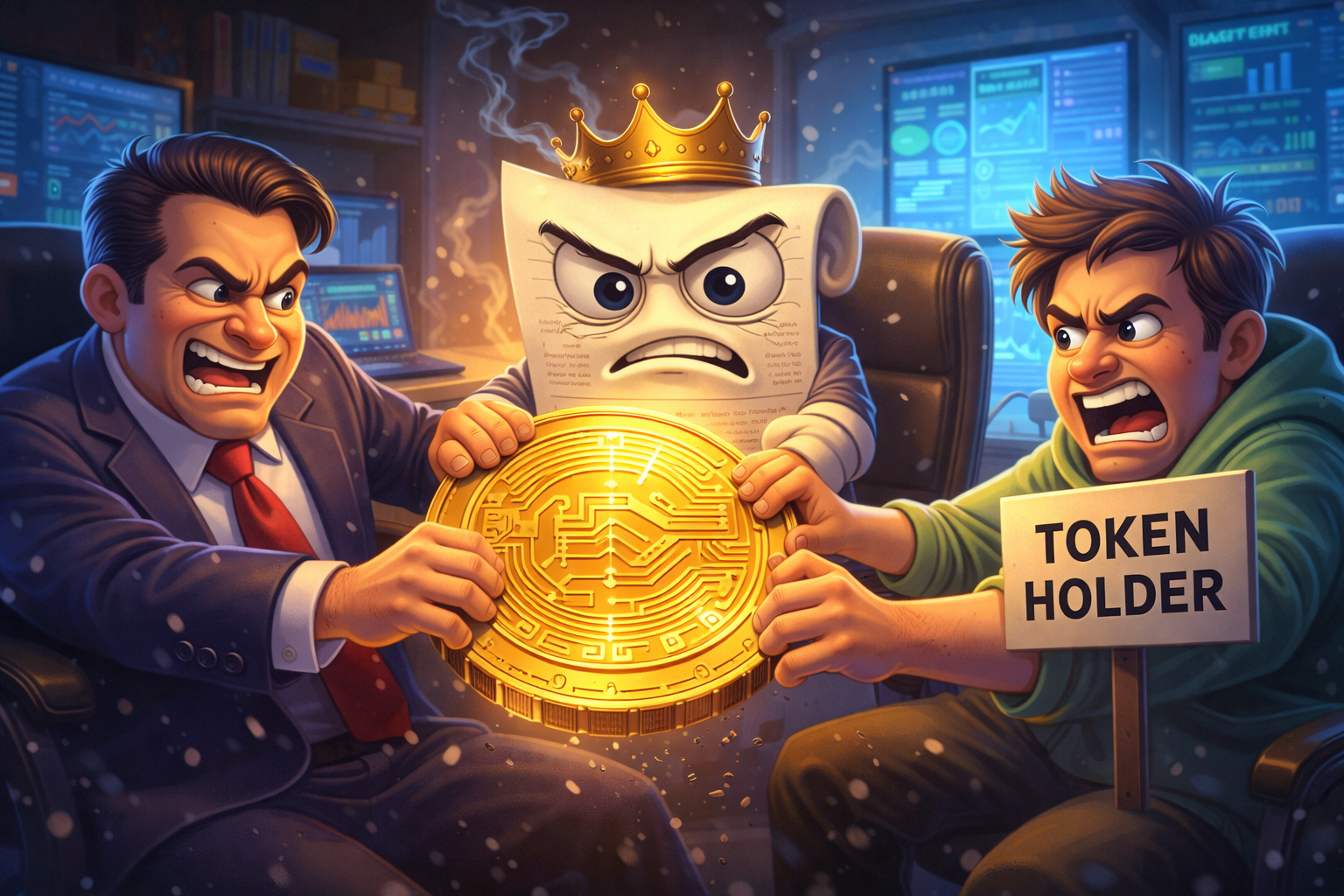
The odds of a January rate cut aren't brilliant right now. But this Friday's jobs report could change everything. If unemployment ticked up again in December, the Sahm Rule indicator—which basically screams "RECESSION!" when it hits 0.50—would be sitting at a concerning 0.43.
The Fed's already nervous. Their December minutes included the phrase "risk of a sharper-than-expected weakening in the economy." That's Fed-speak for "we're proper worried but can't say it loudly."
So what? More rate cuts are coming in 2026, probably more than investors expect. That's bullish for crypto—assuming geopolitics doesn't cock it all up.
Speaking of Geopolitics... 🌍
January's when America picks fights about oil. It's tradition.
While you were sleeping off Christmas dinner, the US invaded Venezuela. The Trump administration's now threatening Iran over protests. China's doing military drills around Taiwan.
What connects these? Oil.
US oil demand hits rock bottom in January-February. Lower demand = lower prices = perfect time to escalate with oil-producing countries because price spikes hurt consumers less. Clever timing, really. Almost too clever.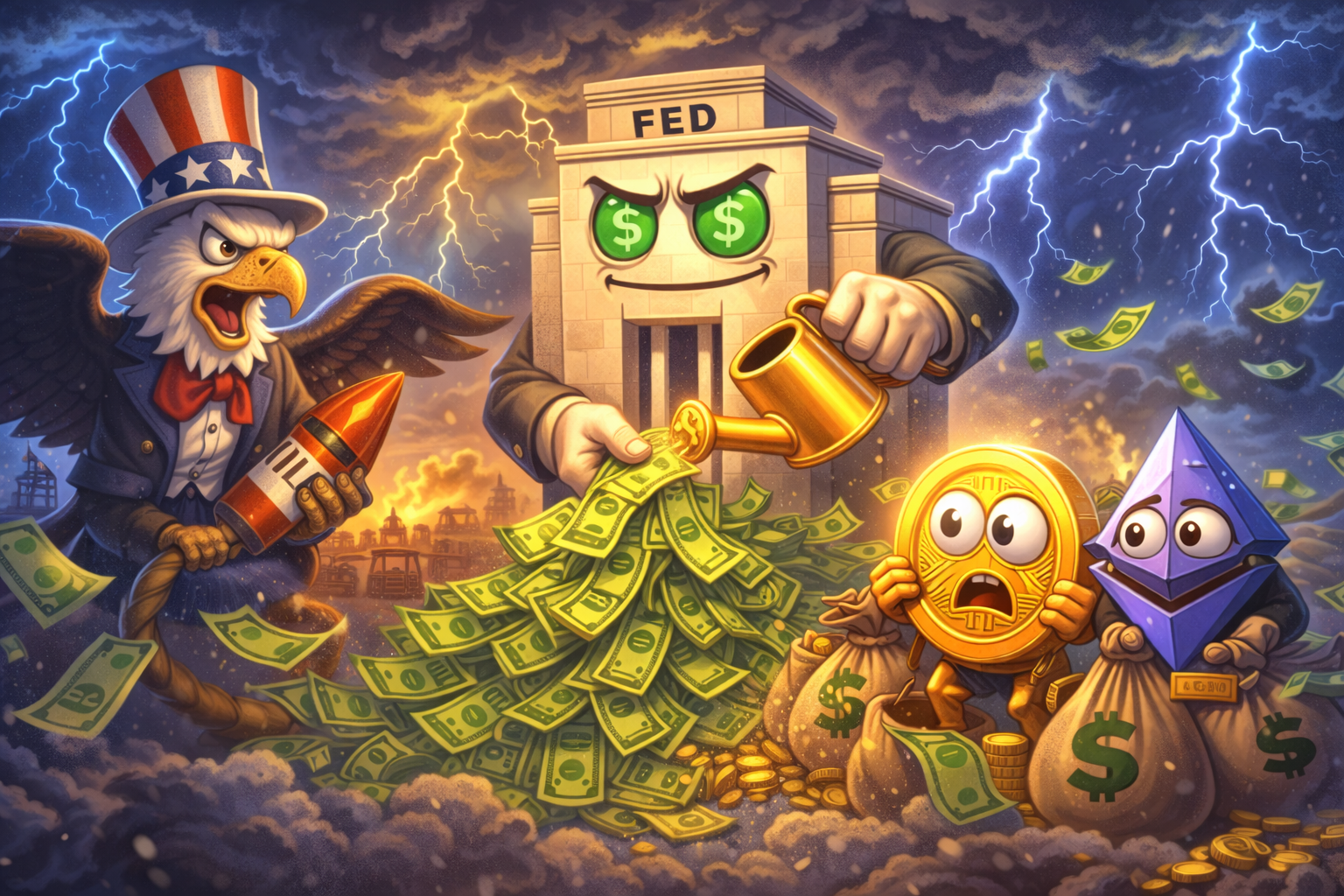
But here's the thing: midterms are less than a year away. The Trump administration's already hemorrhaging poll numbers faster than I lose socks in the wash. How much more radical escalation can they afford before voters properly revolt?
Some analysts reckon this creates urgency—escalate now before the political window closes. Others think that window's already shut. Nobody actually knows, which is the uncomfortable bit.
Nearly 80% of global economies are in "easing mode"—making money cheaper and easier to access. More accessible money = more spending = more cash flowing into assets (including crypto). That's genuinely bullish.
Unless, you know, someone accidentally starts World War III over oil prices.
What could possibly go wrong?
The CLARITY Act Might Save Us 📜
When crypto regulation becomes the hero of the story, you know we're in strange times.
Second week of January, the CLARITY Act gets debated in Congress. Remember the GENIUS Act that passed in 2025? Only bullish catalyst that actually pumped prices last year. Crypto rallied about 50% on average, especially smart contract coins like ETH.
CLARITY could trigger similar fireworks.
Add in the liquidity backdrop—Treasury draining cash since November, Fed doing "not QE" bond buying since December—and crypto should catch a tailwind by late January. Remember, crypto lags liquidity by roughly three months. So those November improvements? They're just arriving fashionably late to the party now.
The setup looks proper bullish for early 2026, assuming geopolitical nonsense doesn't derail everything.
"Betting on a black swan is unwise, because as the popular meme says: 'nothing ever happens.'"
Until it does, of course. But generally, betting against normalcy is how you lose money.
Why Your Governance Token Is Probably Worthless 🎭
Crypto's dirty secret: the people building protocols don't actually work for token holders.
Here's the awkward reality nobody wanted to discuss until recently: most crypto projects run a dual structure that makes absolutely no sense.
You've got:
- Development company (owned by founders and VCs)
- DAO (governed by token holders who think they matter)
The company builds everything. The DAO supposedly governs changes. Token holders expect to get rich when the project succeeds. But here's the question nobody's answering clearly: who actually owns what?
Until now, everyone avoided this conversation because securities regulators were lurking. But with US regulatory regime change, the gloves are off.
Recent disasters:
Aave: Labs redirected $10M annually in fees to equity-controlled entities instead of the protocol treasury. Token holders erupted. The token dropped 13%. Labs argues they're monetizing "non-protocol products." Translation: "We built this on the side, so it's ours, innit?"
Axelar: Circle acquired the development company (Interop Labs) but left the AXL token holders with an abandoned protocol and zero compensation. It's the crypto equivalent of buying a football club, keeping the players, and leaving fans with an empty stadium. Token dropped 37%. Community called it a "rug pull," which seems generous.
This "acqui-hire" strategy comes from Silicon Valley, where it's used to dodge antitrust laws. In web2, at least some shareholders get license fees. In web3? Token holders get precisely nothing whilst watching their investment collapse.
One solution that doesn't suck:
Uniswap's UNIfication proposal redirects all protocol fees to UNI token burns (directly benefiting holders through supply reduction), merges the Foundation into Labs, and ties Labs' value to UNI holdings. Suddenly everyone wants the token to succeed because everyone benefits.
What a novel concept—aligning incentives!
So what? This debate will determine whether governance tokens have any actual value or if they're just expensive participation trophies. Watch this space.
The Bottom Line
We're entering 2026 with a peculiar cocktail: encouraging macro conditions, potential geopolitical disasters, promising regulatory developments, and an internal crypto identity crisis about who owns what.
Think of it like British weather in summer—could be brilliant, could be dismal, definitely unpredictable. Pack an umbrella and sunscreen.
The Fed's printing money (quietly). Global economies are easing. The CLARITY Act could pump prices like GENIUS did. Liquidity's improving with a three-month lag. All genuinely bullish.
But unemployment's rising, recession indicators are flashing amber, and America's picking fights with oil producers during the ideal window for price manipulation. Meanwhile, crypto's wrestling with whether its tokens represent actual ownership or just expensive collector's items.
My read? The next few weeks lean bullish—unless geopolitics goes sideways or Friday's jobs data is properly dreadful. The token ownership crisis won't resolve quickly, but solutions like Uniswap's prove it's solvable.
Keep eyes on Friday's employment numbers and next week's CLARITY debates. And maybe check whether your governance tokens actually govern anything beyond your right to complain on Discord.
Get the latest news, tips, and updates!
Enter your info below to get helpful updates about how to make money from crypto.
We hate SPAM. We will never sell your information, for any reason.
